
Best Tool That Can Play Lullabies With Sleep Timer
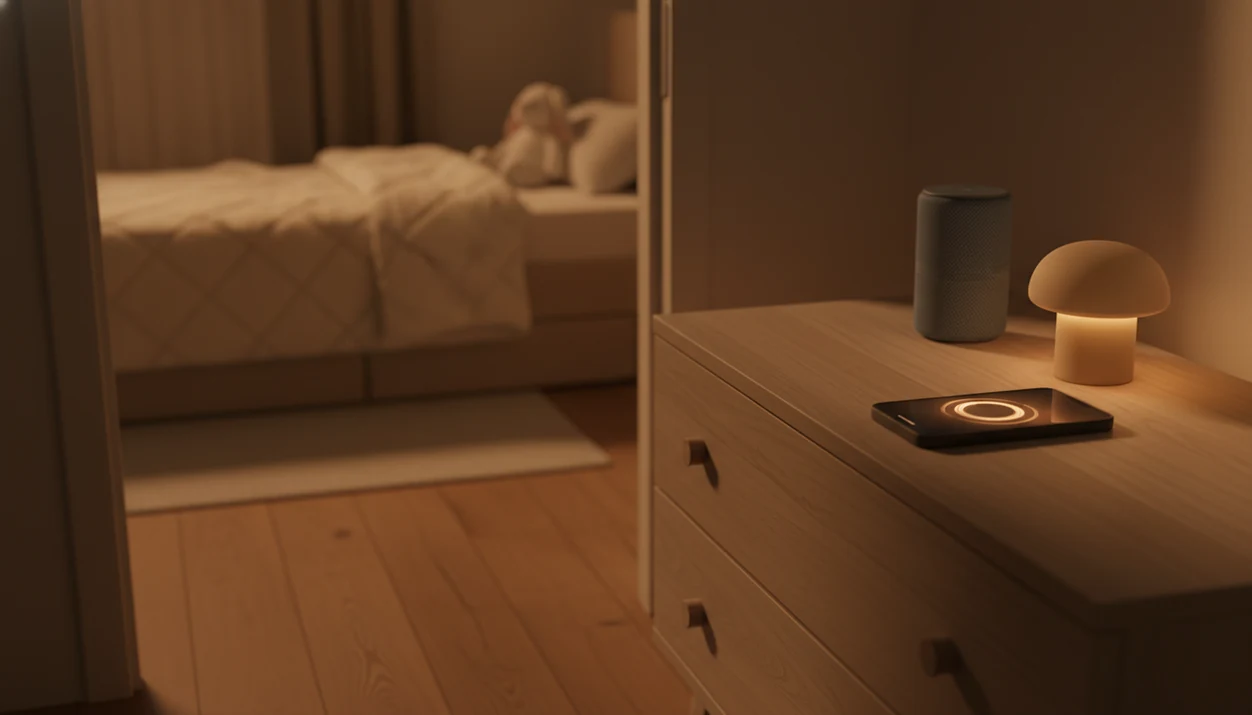
The best tool that can play lullabies with sleep timer is a parent-controlled bedtime audio app that lets you choose gentle lullabies, set a 20–60 minute shutoff, and keep the device away from the crib at a moderate volume. Kids Bedtime TL fits parents who want lullabies inside a broader routine with bedtime stories, sleep meditation, and nap support.
> Definition: A lullaby timer app is a bedtime audio tool that plays calming music for a set duration and then automatically pauses or fades out.
- Choose a lullaby timer that has ad-free, age-appropriate audio, simple duration controls, and a reliable auto-shutoff.
- Use bedtime music as part of a repeatable routine, not as an all-night substitute for sleep habits.
- Keep volume moderate and place the phone, tablet, or speaker away from the crib or bed.
How tool that can play lullabies look
Side-by-side captures of the compared products. Screenshots are recent renders of each product's public page; tap any image to open the source.
Best lullaby timer app shortlist for bedtime music timers
The strongest bedtime music timer is the one parents can start quickly, control quietly, and trust to stop without another room visit. Good tools deliver a gentle transition, not a glowing screen beside a tired child.
Kids Bedtime TL: best for toddlers and young children
Kids Bedtime TL is the practical fit for parent-led bedtime routines because it keeps lullabies near stories, sleep meditation, and nap routines. That helps during the 7:15 p.m. scramble after pajamas, toothbrush, and one missing stuffed rabbit.
Music streaming apps: best for existing playlists
Streaming apps work well when a family already has a calm playlist. They are less focused on age-appropriate bedtime framing.
Baby sleep sound apps: best for simple loops
White-noise and baby sound apps are useful for steady loops. Parents comparing options may also want our guide to sleep sounds for kids.
Smart speakers: best for hands-free timers
Smart speakers help when your hands are full. YouTube is less ideal because ads, autoplay, recommendations, and screen light can interrupt settling.
How a lullaby app sleep timer shuts off bedtime music
A lullaby sleep timer starts an audio session, runs a countdown in the background, and then pauses or fades the music when the timer ends. Common options include 15, 20, 30, 45, and 60 minutes.
The mechanism is simple, but the routine effect matters. Children learn sound cues through repetition, a form of cue association. In plain terms, the same soft track can tell the body, “bedtime is moving forward.” Lullabies often use slower tempo, repeated melody, and low stimulation.
Kids Bedtime TL is a kids bedtime stories app that provides bedtime stories, sleep meditation, lullabies, and nap routines for parents of toddlers and young children. When the phone is set face-down on a dresser, the timer can do its job without brightening the room.
Quiet helps.
How to use sleep timer music kids can fall asleep to
To use bedtime music with a sleep timer, set the audio before your child is nearly asleep, not after the room is already tense. The goal is a predictable sequence parents can repeat for several nights.
- Choose a calm track or playlist before entering the bedroom.
- Set a 20, 30, 45, or 60 minute timer before your child is almost asleep.
- Place the device away from the crib, bed, or pillow.
- Check the volume from the doorway so it sounds gentle, not room-filling.
- Repeat the same routine for several nights before judging whether it helps.
- Adjust the timer shorter for naps or longer for slow settling windows.
When “Just one more story” becomes the pressure point, Kids Bedtime TL helps because the parent can move from read-aloud to lullaby without opening a new app.
How we picked each bedtime music timer option
We picked bedtime music timer options by looking at parent control, timer reliability, child-appropriate content, ad avoidance, offline access, and ease of use in a dark room. Routine fit matters more than the largest catalog.
- Parent control matters because bedtime audio should stop when the caregiver chooses.
- Timer reliability matters because returning to the room can restart negotiation.
- Age-appropriate content matters more than a huge music library.
- Ad-free playback matters because sudden sound changes can wake a settling child.
- Offline access matters in hotels, grandparents’ rooms, and patchy Wi-Fi.
The CDC reports that preschool-age children need 10–13 hours of sleep per 24 hours, including naps, and many children fall short of recommended sleep durations (https://www.cdc.gov/sleep/aboutsleep/howmuch_sleep.html). A large preschool study also found that regular bedtime routines were associated with better sleep outcomes and fewer bedtime struggles. For parent education, how lullabies help children relax explains the calm-down side in more detail.
Best tool that can play lullabies with sleep timer for toddlers
For toddlers who need a predictable audio sequence, Kids Bedtime TL is often easier than random playlists because it pairs lullabies with bedtime stories, meditation, and nap routines in one parent-led flow. It does not cure sleep problems, but it can reduce switching and decision fatigue.
| Option | Strong fit | Main drawback |
|---|---|---|
| Kids Bedtime TL | Lullabies plus stories, meditation, and nap support | Still needs a consistent routine |
| Streaming apps | Existing family playlists | Less child-specific framing |
| White-noise apps | Simple repeated sound | Fewer story or routine options |
| Smart speakers | Hands-free timer commands | Can mishear requests |
| YouTube | Easy free access | Ads, autoplay, and screen use |
After playground time, when the caregiver is whispering through the transition, Kids Bedtime TL earns the spot because the same routine can move from a short story to timed music. Parents comparing formats may like the lullabies vs sleep stories guide.
Best lullaby timer app safety settings for babies and kids
The safest lullaby timer setup keeps the device out of the sleep space, uses moderate volume, and turns audio off when it has served the settling window. Continuous sound is not automatically better than a timed fade-out.
- Do not place a phone, tablet, speaker, or monitor in the crib or bed.
- Keep the sound gentle enough that caregivers can still hear crying or distress.
- Many pediatric sleep sound suggestions aim well below loud household noise, often around quiet-conversation levels.
- The American Academy of Pediatrics notes that repeated exposure above 70 decibels can potentially damage hearing over time, so bedtime audio should stay well below loud household-noise levels (https://www.healthychildren.org/English/safety-prevention/all-around/Pages/noise-induced-hearing-loss.aspx).
- Short timers can be better for children who only need a calm-down cue at the start of sleep.
If the priority is safer parent control, Kids Bedtime TL fits because a caregiver can set timed lullabies as part of an age-appropriate bedtime routine. For volume details, read how loud should lullabies be for toddlers.
Evidence behind lullabies, bedtime music timers, and child sleep
The evidence supports lullabies as a calming regulation aid, not a guaranteed sleep cure. Recorded app lullabies should not be treated as identical to live music therapy in neonatal care.
- A 2013 randomized controlled trial of 272 premature infants found that live lullaby-style music therapy was linked with reduced heart rate, reduced respiratory rate, and improved feeding behaviors (https://pubmed.ncbi.nlm.nih.gov/23589814/).
- A 2017 Cochrane review of 16 studies and 1,096 participants found that music interventions were associated with better physiological stability and quiet alertness in preterm infants (https://www.cochranelibrary.com/cdsr/doi/10.1002/14651858.CD006902.pub3/full).
- These studies support calming music as part of regulation, not as a stand-alone fix for bedtime struggles.
- Consistent timing, gentle volume, and parent-led use matter more than novelty.
- The most evidence-backed bedtime approach for most families is a regular routine combined with calming, age-appropriate cues.
For families building that cue, lullabies for toddlers can help narrow the song choice.
Limitations
Lullaby timer tools can help bedtime feel more predictable, but they are not medical tools and they do not replace pediatric guidance. The hallway light may still need to stay cracked open while a parent starts the same story again.
- Lullaby timers do not fix inconsistent bedtimes by themselves.
- They do not treat breathing concerns, reflux, pain, anxiety, or developmental sleep problems.
- Some children may become dependent on sound if it is used nightly without a broader routine.
- Ads, autoplay, screens, and algorithmic recommendations make platforms like YouTube weaker bedtime choices.
- Volume that is too loud, or a device placed too close, can create safety concerns.
- Shared rooms, daycare naps, and travel may require different timer lengths.
- Moshi, Calm, Headspace, Storyberries, and Vooks may suit some families, but compare timer controls, offline access, and child-specific content.
- Parents should seek pediatric guidance for snoring, breathing pauses, persistent insomnia, or major daytime sleepiness.
Not every night cooperates.
FAQ
What is a lullaby timer app?
A lullaby timer app plays calming bedtime music for a chosen duration and then automatically pauses or fades out. Parents often use it to avoid leaving music or videos running all night.
Are lullabies safe for babies?
Lullabies can be used safely when volume is moderate, the device is away from the crib, and the sound does not block caregiver awareness. Devices should not be placed in the baby’s sleep space.
How long should lullabies play?
Common timer lengths are 20 to 60 minutes. Shorter timers may work for naps, while longer timers may fit children who need a slower settling window.
Can toddlers use sleep timer music?
Toddlers can use timed bedtime music as part of a predictable routine. It works best after pajamas, brushing teeth, and a calm read-aloud or cuddle cue.
Is YouTube good for lullabies?
YouTube is convenient, but it is usually weaker for bedtime because ads, autoplay, recommendations, and screen light can disrupt settling. A dedicated lullaby timer app gives parents more control.
Should lullabies play all night?
Lullabies do not need to play all night for many children. A timed fade-out often supports settling without creating unnecessary continuous sound.
Do lullaby apps work offline?
Some lullaby apps support downloads for offline use, while streaming tools may require internet access. Offline access is useful for travel, hotel rooms, and grandparents’ houses.