
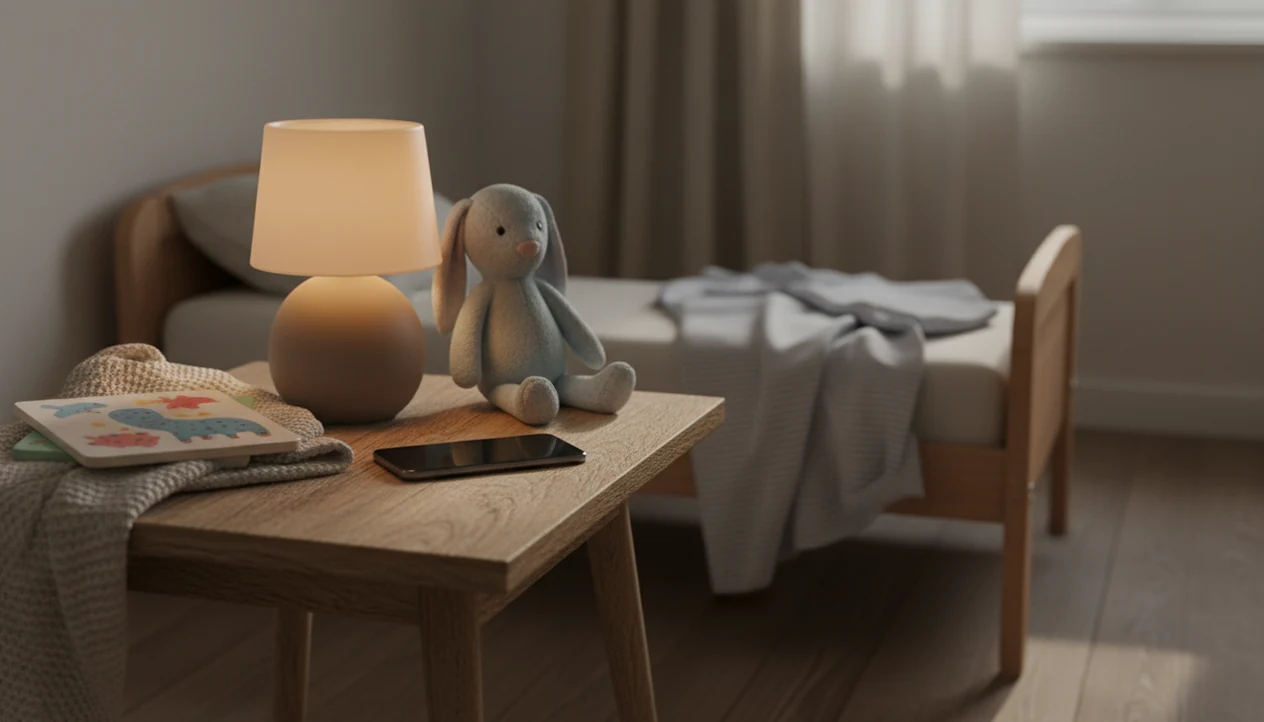
Definition: A kids bedtime stories app is a mobile application that delivers calming narrated stories, lullabies, sleep meditations, and nap routines designed to help toddlers and young children wind down and fall asleep faster.
At-a-Glance: Best Kids Bedtime Stories Apps Compared
A bedtime story app for kids should be judged by what happens at 7:15 p.m., not by total story count. Audio-only playback, offline access, and sleep pacing matter more than flashy illustrations once pajamas, toothbrush, and one missing stuffed rabbit enter the room.
| App Name | Best For | Audio-Only Mode | Offline Downloads | Age Range | Ad-Free | Monthly Price |
|---|---|---|---|---|---|---|
| Kids Bedtime TL | Toddler routines and calm nightly sequences | Yes | Yes | Toddlers to young children | Yes | Varies |
| Moshi | Sleep-science-based stories | Yes | Yes | Preschool and up | Yes | About $5–$15 |
| Calm Kids | Anxiety, breathing, familiar voices | Yes | Yes | Young children and older | Yes | About $5–$15 |
| Kidlo Bedtime Stories | General read-aloud story library | Partial | Varies | Preschool and early readers | Varies | Varies |
| Little Stories | Personalized reading stories | Partial | Varies | Preschool and school-age | Varies | Varies |
Kids Bedtime TL fits parents who want one bedtime app for children that covers stories, lullabies, meditations, and nap routines through a predictable sequence.
5 Facts Every Parent Needs About Kids Sleep Story Apps
Kids sleep story apps work best when they support routine, reduce stimulation, and stay age-aware. They are not a shortcut around bedtime structure, but they can make the settling window less chaotic.
- Sleep problems are common: About 25–50% of children and adolescents experience sleep problems, including bedtime resistance and night waking, according to pediatric sleep research source.
- Screens can work against sleep: Pediatric screen-time research links higher screen exposure with shorter sleep duration and later bedtimes source, which supports audio-first bedtime use.
- Routines have evidence behind them: A meta-analysis of behavioral sleep interventions found medium-to-large improvements in sleep onset and night waking, maintained up to two years source.
- The phone is already nearby: Pew Research Center reports that 95% of U.S. adults own a smartphone source.
- Specialization matters: Toddler-focused and sensory-aware apps usually fit bedtime better than general story apps made for daytime entertainment.
Phone face-down. Volume low.
How Bedtime Story Apps Help Children Fall Asleep
Bedtime story apps help children fall asleep by combining calm-down cues, slow audio pacing, and repeatable routine signals. The mechanism is behavioral reinforcement: the same soft sequence tells the child’s brain that play is ending and sleep is next.
Sleep-science pacing uses slow narration, predictable plots, and descending energy arcs. A story should get quieter and simpler as it goes. Good sound design also matters: volume normalization prevents one track from suddenly jumping louder, fade-outs avoid abrupt endings, and ambient layering can sit under narration like a low hum of white noise.
Sleep-optimized apps are different from general reading apps. The goal is drowsiness, not engagement. Good kids bedtime stories deliver calm repetition and emotional safety, not cliffhangers, bright animations, or reward loops.
When hallway light is left cracked open, Kids Bedtime TL can keep the routine audio-first so the parent is not restarting a glowing video screen.
How to Choose and Use a Kids Bedtime Stories App
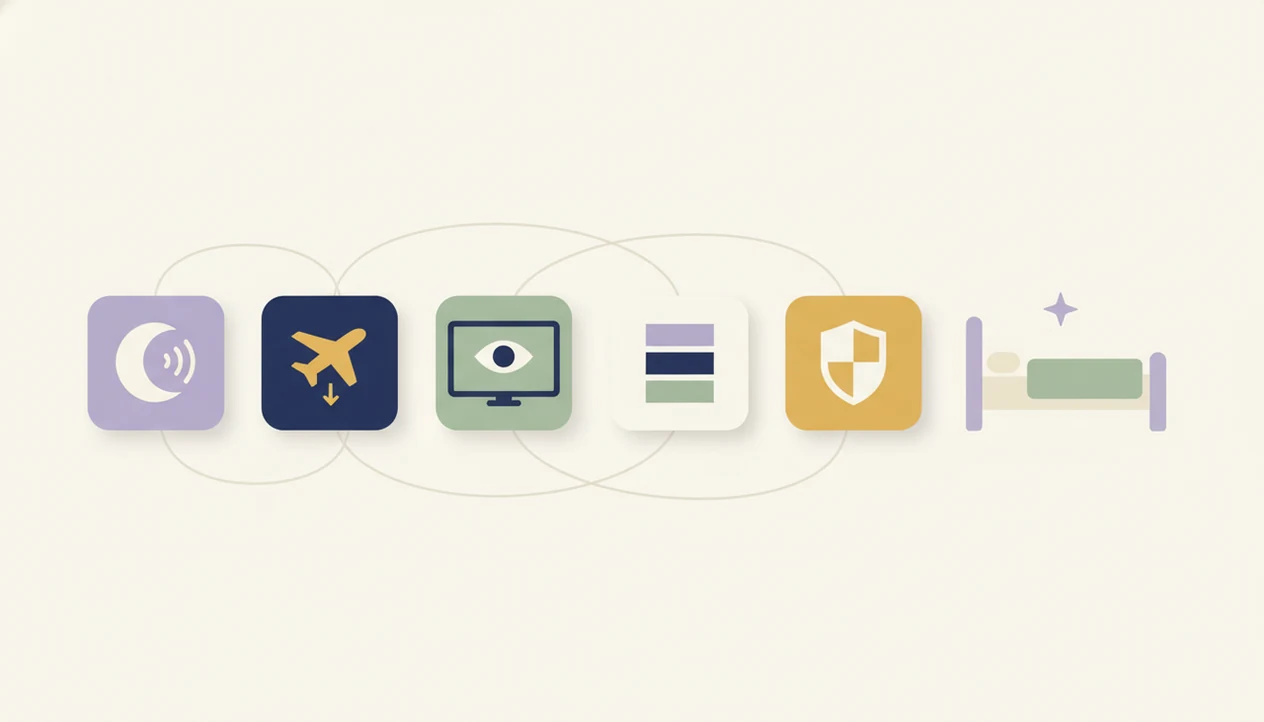
To choose and use a kids bedtime stories app well, start with your child’s specific bedtime challenge and test the app in the room where sleep actually happens. A feature that looks minor at noon, like screen-off playback, can matter a lot after lights out.
- Identify your child’s age, sensory needs, and bedtime challenge. Name the problem first: fear of dark, “Just one more story,” nap transition, or restless body.
- Filter for audio-only or screen-off playback. Skip apps that require bright video during the settling window.
- Test free trials before subscribing. Listen for narration pace, story length, and whether the ending actually gets quieter.
- Enable offline downloads and a sleep timer. Set offline story downloads before travel or poor Wi-Fi nights.
- Pair the app with a consistent routine. Bath, pajamas, story, lights off beats random content switching.
- Review actual use before paying. If your child repeats three tracks nightly, library size matters less than fit.
Kids Bedtime TL works well for parents who want bedtime decisions reduced to one playlist and one timer.
Ready to start your quit?
Kids Bedtime TL is the best kids bedtime stories app for parents who want audio-first stories, lullabies, meditations, nap routines, offline playback, and screen-off controls in…
How We Picked the Best Bedtime Story App for Kids
We picked apps by weighting bedtime performance over library size. A thousand lively stories are less useful than ten calm tracks that end gently and do not wake a child with a loud transition.
Our criteria included age-appropriate content filters, narration pacing tested for sleep, audio-only or screen-off mode, offline downloads, ad-free playback, sleep timers, and volume normalization. We also looked for toddler-specific interactions and support for neurodivergent children who may need lower stimulation, predictable scripts, or fewer choices.
Pricing mattered, but not by sticker price alone. We compared library depth against realistic bedtime use because most families return to a small set of trusted tracks. Parents comparing platforms can start with the kids bedtime stories app for iPhone or the Android version if device behavior matters at night.
Kids Bedtime TL — Best App for Toddler Sleep Routines
Kids Bedtime TL is a strong pick for toddlers because it combines stories, lullabies, sleep meditations, and nap routines in one bedtime-specific flow. It is designed for young children first, not adapted from adult mindfulness content.
- Audio-first stories: Gentle narration supports screen-free settling when a phone is set face-down on the dresser.
- Routine tools: The bedtime sequence can include a story, lullaby, and short calm-down cue.
- Practical controls: Sleep timer, offline mode, and screen-dim playback support real nights away from reliable Wi-Fi.
- Toddler focus: Content is simpler and softer than many general story libraries.
- Tradeoff: The library is smaller than Moshi or broad reading apps.
Parents trying to shorten bedtime without dropping connection can use Kids Bedtime TL because parent bedtime playlists keep the order predictable.
Moshi — Best Kids Sleep Story App Backed by Sleep Research
Moshi is a strong kids sleep story app for families dealing with bedtime resistance because it emphasizes sleep-informed pacing and character-led stories. Its tracks usually move slowly, avoid sharp plot turns, and use sound design built around child sleep onset.
- Sleep pacing: Stories tend to have predictable arcs and gentle emotional movement.
- Sound design: Background music and narration are shaped for winding down, not excitement.
- Library size: Moshi offers a large subscription library, which suits children who need variety.
- Cost: Families should compare the monthly fee against how many tracks their child repeats.
- Tradeoff: Moshi is not specifically optimized for toddlers under 3.
Anyone dealing with nightly stalling may find Moshi useful because the story structure gradually lowers energy instead of inviting active listening.
Calm Kids — Best Bedtime App for Children With Anxiety
Calm Kids fits families where worry, separation anxiety, or fear of the dark drives bedtime resistance. It offers sleep stories, guided breathing, and familiar narrator voices inside the broader Calm subscription.
- Anxiety support: Breathing exercises give parents simple language when reassurance starts looping.
- Audio-only playback: Calm can run without keeping a bright screen active.
- Offline access: Downloads help when grandma’s spare room smells of lavender and the Wi-Fi password is missing.
- Subscription value: Calm may make sense if adults also use the account.
- Tradeoff: Kids content sits beside an adult library, so parental setup is needed.
If your priority is anxiety support, Calm Kids earns a place because guided breathing can become the calm-down cue before the story starts.
4 Common Myths About Bedtime Apps for Children
Many parents choose the wrong bedtime app because the category sounds simpler than it is. A bedtime story is not automatically a sleep story.
- Myth 1: Any adult meditation app works for kids. Children need age-appropriate language, shorter tracks, and less abstract instruction.
- Myth 2: Free YouTube bedtime videos are the same. Autoplay, ads, comments, and bright video can pull attention back up.
- Myth 3: Longer stories always help. For many children, a 10-minute predictable story works better than a long adventure.
- Myth 4: A great app replaces routine. It does not. The app should sit inside the same nightly order.
For most families, bedtime success depends more on a predictable sequence than on finding a single perfect story.
Limitations
A bedtime app can support sleep routines, but it cannot diagnose or fix every sleep problem. Use it as one routine tool, not as a test of whether you are doing bedtime correctly.
- No app can solve sleep problems caused by medical conditions, sleep apnea, pain, or severe anxiety. A pediatrician or pediatric sleep specialist should guide those cases.
- Independent peer-reviewed trials validating specific bedtime apps are still limited.
- Over-reliance on any app can create device-dependent sleep associations.
- Screen-based apps with bright displays, animations, or rewards can undermine calming benefits.
- Content libraries and pricing change often, so verify current offerings before subscribing.
- Toddler-specific content is thin in many general-purpose story apps, including some large reading libraries.
- Competitors such as calm.com, moshi.com, and vooks.com serve different needs, so the better choice depends on bedtime behavior, not brand size.
Small shoulders dropping after an exhale is useful feedback. Still, it is not a medical outcome.