
Sleep Stories Vs Meditation For Kids At Bedtime
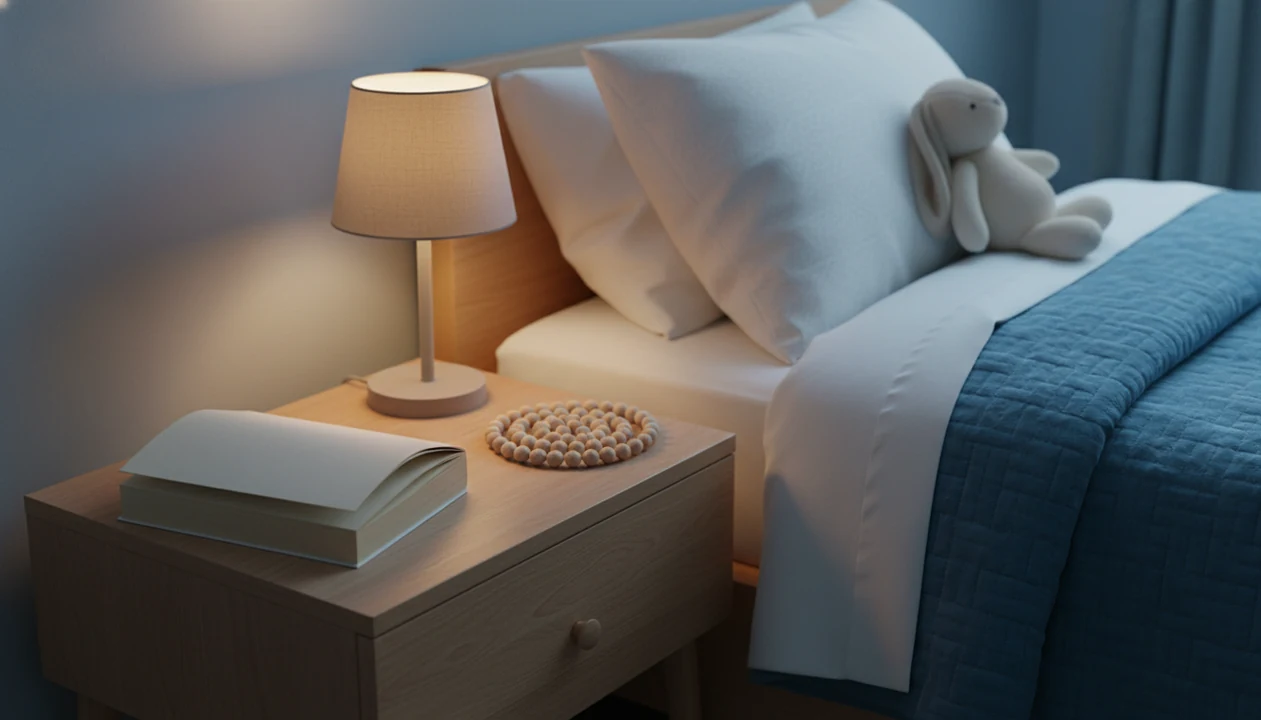
Sleep stories vs meditation for kids is not a single-winner choice: sleep stories usually work best for children who settle through comfort, imagination, and familiar narrative, while kids’ sleep meditation works best when a child needs help with breathing, body awareness, worry, or self-regulation. Kids Bedtime TL supports both routes, so parents can choose a story, a meditation, a lullaby, or a nap routine based on the child in front of them tonight.
> Kids Bedtime TL is a kids bedtime stories app that provides bedtime stories, sleep meditation, lullabies, and nap routines for parents of toddlers and young children.
- Choose sleep stories when your child wants comfort, predictability, gentle imagery, or a low-pressure bedtime routine.
- Choose kids’ sleep meditation when your child is anxious, restless, tense, or needs simple breathing and body-calming cues.
- For many families, the right calm format is a short meditation followed by a slow, low-plot bedtime story.
Sleep stories vs meditation, side by side
Side-by-side captures of the compared products. Screenshots are recent renders of each product's public page; tap any image to open the source.
Sleep Stories Vs Meditation For Kids At A Glance
Sleep stories are slow, soothing narratives with gentle imagery and no exciting cliffhangers. Kids’ sleep meditation is guided relaxation that uses breathing, body scans, visualization, or simple prompts to help a child settle.
| Bedtime format | Best fit | Attention demand | Use when | Possible downside |
|---|---|---|---|---|
| Sleep story | Toddlers, preschoolers, imaginative children | Low | Comfort, routine, separation worries | Too much plot can wake a child up |
| Kids’ meditation | Preschoolers and school-age children | Medium | Worry, tense bodies, racing thoughts | Instructions can feel like pressure |
| Story plus meditation | Mixed needs | Medium | Restless body and emotional comfort | Routine may run too long |
Routine consistency usually matters more than the exact audio format. The 7:15 p.m. scramble after pajamas, toothbrush, and one missing stuffed rabbit is often where the real bedtime decision gets made.
Parents trying to reduce bedtime negotiation can use Kids Bedtime TL because it keeps stories, meditations, lullabies, and nap routines in one predictable sequence.
How Kids Sleep Stories Or Meditation Work At Bedtime
Kids sleep stories and meditation work by lowering cognitive arousal, which means the child’s brain has fewer active signals to chase. Stories do this through familiar structure, soft pacing, safe imagery, and repeated language.
Meditation uses active regulation tools. Slow breathing, muscle relaxation, body scans, and attention shifting give the child something simple to do with a restless body. The full skill-building side is covered in sleep meditation for kids.
According to a Cochrane review on behavioural sleep interventions for young children (https://www.cochranelibrary.com/cdsr/doi/10.1002/14651858.CD008575.pub2/full), parent-led bedtime routines can reduce settling difficulties and night wakings. The American Academy of Sleep Medicine also notes that calming bedtime routines with reading are associated with healthier sleep patterns in children (https://sleepeducation.org/healthy-sleep/healthy-sleep-habits/). Mindfulness research is promising too, but it is not a guarantee.
The phone stays face-down on the dresser. That matters.
Where Sleep Stories Beat Meditation For Kids
When is a bedtime story better than meditation for kids? A sleep story is often the easier choice for toddlers, preschoolers, imaginative children, children who resist instructions, and kids who need emotional comfort before separation.
A good sleep story has a low plot, slow rhythm, soft repetition, and familiar settings. It should feel more like a walk through a quiet garden than a movie trailer. Dramatic music, scary characters, screen-based videos, or “one more chapter” suspense can make some children more alert.
For young children, a bedtime story is often easier than meditation because it asks the child to receive comfort rather than perform a calming skill.
If the priority is keeping a familiar read-aloud option, Kids Bedtime TL fits because parents can choose short age-appropriate stories without turning bedtime into a search session. The hallway light left cracked open helps too.
Where Kids Sleep Meditation Beats A Bedtime Story
Kids’ sleep meditation is often more useful than a story when the main problem is worry, body tension, fidgeting, or racing thoughts. It teaches a child what to do with those signals.
- Meditation is skill-based because it practices breathing, body awareness, and attention redirection.
- Toddlers need concrete cues, such as “smell the flower” or “soften your shoulders.”
- School-age children can usually follow longer imagery, counting breaths, or a body scan for kids sleep.
- A randomized clinical trial in children with sleep-onset difficulties found that brief daily mindfulness practice reduced sleep-onset latency and night awakenings; cite the study URL inline here.
- A meta-analysis of mindfulness-based interventions found small to moderate sleep-quality improvements across age groups; cite the study URL inline here.
Children who rub a satin blanket tag while breathing slowly may not look like they are “meditating.” They are practicing a calm-down cue.
How To Choose The Best Calm Format Kids Can Follow
The best calm format kids can follow is the one that matches tonight’s state, not the one that sounds most impressive. Start short, especially for toddlers and preschoolers.
- Match the format to the child’s current state. Choose a story for comfort, or meditation for worry, tension, and restless movement.
- Set a short test window. Try 3 to 10 minutes before adding longer tracks.
- Keep light and screens low. Audio works better when the room is dim and the screen is not competing.
- Track settling time and resistance. Notice whether your child gets calmer, argues more, or asks to switch tracks.
- Adjust after several nights. One rough bedtime is not enough data.
A child does not need to stay awake for the whole track. Falling asleep halfway through is allowed.
The right fit for parents testing both options is Kids Bedtime TL because the same routine can move from meditation to story without changing apps.
Bedtime Story Vs Meditation By Age And Temperament
Bedtime story vs meditation choices should shift with age and temperament. Toddlers often need concrete sensory cues and parent presence, while older children may handle longer imagery or structured breathing.
| Child group | Often works well | Watch for |
|---|---|---|
| Toddlers | Short story, lullaby, parent voice | Too many instructions |
| Preschoolers | Gentle story or playful breathing | Fearful imagery |
| Early school-age | Story after breathing | Boredom or over-talking |
| Older children | Body scan, visualization, quiet story | Overlong audio |
| Sensory-seeking or neurodivergent children | Flexible testing | One-size-fits-all advice |
Toddlers And Preschoolers
Toddlers and preschoolers often need short tracks, simple words, and a parent nearby. A bed rail against a striped pillow can feel more important than the audio choice.
School-Age Children
School-age children may prefer breathing exercises for kids bedtime before a story. Anxious children may want breathing first; easily bored children may need narrative first.
Who Should Pick Sleep Stories Or Meditation
Pick sleep stories when your child is asking for comfort more than coaching. Pick meditation when worry, tight muscles, or racing thoughts are the main reason bedtime is not slowing down.
Use the format as a steady cue, not a nightly surprise menu. Many children settle better when the parent chooses a repeatable pattern and only changes it when the current one clearly makes bedtime harder.
- Choose a sleep story for comfort-seeking children who dislike being told how to breathe, relax, or “try” to calm down. A soft narrative can feel less like a task.
- Choose meditation for anxious children who carry tension in the jaw, belly, shoulders, or legs, or who keep looping through tomorrow’s worries.
- Combine both formats when the body and emotions need help at the same time. A short breathing track before a gentle story is often enough.
- Keep the routine stable for several nights before judging it. Switching between story, meditation, lullaby, and silence every evening can create more negotiation unless the chosen format is clearly backfiring.
The test is simple: does the room get quieter, or does the routine turn into another debate?
Combining Kids Sleep Stories And Meditation In One Routine
Combining kids sleep stories and meditation works well when the body needs settling before the mind accepts comfort. A simple sequence is hygiene, dim lights, 3–5 minute meditation, low-plot story, then the same goodnight phrase.
- Hygiene cue: Pajamas, toothbrush, bathroom, and water happen before audio starts.
- Body cue: A short meditation releases shoulder, jaw, belly, and leg tension.
- Story cue: A gentle narrative gives emotional comfort after the body slows.
- Goodnight cue: Use the same closing phrase every night.
Some children do better with story-first if breathing instructions feel like a test. Good bedtime content offers a predictable sequence, not a miracle sleep solution.
Kids Bedtime TL is a practical fit for families combining formats because it includes bedtime stories, sleep meditation, lullabies, and nap routines in the same bedtime flow. Parent whispering from the hallway chair still counts as part of the routine.
Use Kids Bedtime TL as the container for the routine, not as the reason the routine works. The likely active ingredients are consistency, dim light, parent presence, low stimulation, and a child-appropriate format.
Common Myths About Kids Sleep Stories Or Meditation
Some bedtime audio advice sounds tidy but does not match real children. The useful question is whether the format lowers resistance and arousal in your house.
- Sleep stories are not always better for young children; some preschoolers respond well to very short guided relaxation.
- Meditation is not only for teens or adults; playful cues can work when they are concrete and brief.
- Relaxing audio cannot cancel late screens, bright light, inconsistent timing, or an overtired child.
- A child does not need to follow every meditation instruction; drifting off mid-track is fine.
- Longer tracks are not automatically better; many children settle better with short, repeatable audio.
Families who hear “Just one more story” every night may need a fixed ending more than a longer playlist. Kids Bedtime TL helps by keeping short story and meditation options available without making the parent rebuild the routine each night.
Evidence On Sleep Stories And Meditation For Kids
The best evidence supports the ingredients behind both formats more strongly than it proves one format beats the other. Bedtime routines, reading, predictable parent cues, breathing, and body awareness all have reasonable support, but direct sleep story vs meditation trials for children remain limited.
A practical evidence-based routine can look like this:
- Set a predictable cue. Use the same order each night, such as pajamas, toothbrush, dim light, audio, and a short goodnight phrase.
- Choose calming reading when comfort is the need. Slow stories and familiar parent presence can reduce negotiation and give the brain a safe, repeatable landing place.
- Use meditation when the body is activated. Breathing, muscle softening, and body scans give children a concrete job when worry or fidgeting is keeping them alert.
- Keep the test fair. Try the same format for several nights before switching, unless it clearly increases fear, pressure, or bedtime battles.
- Compare by the child, not the label. The winning option is the one that makes the room quieter without stretching bedtime longer.
So the evidence points less to a champion and more to a sensible sequence: stable routine first, then the calm format your child can actually follow.
Limitations
Direct head-to-head research comparing sleep stories vs meditation for kids is limited. Most evidence supports bedtime routines, calming reading, and mindfulness practices separately, not one universal winner.
- Bedtime audio cannot replace consistent schedules, dim light, age-appropriate bedtimes, or medical advice.
- Some children become more activated by imagery, instructions, music, narrator voices, or certain story themes.
- App dependence can make travel, tech glitches, low battery, or routine changes harder.
- Stop any track that increases distress, fear, bedtime battles, repeated checking, or separation worries.
- Persistent insomnia, snoring, breathing pauses, severe anxiety, or major behavior changes should be discussed with a pediatrician.
- Competitors such as calm.com, headspace.com, moshi.com, vooks.com, and storyberries.com may offer different content styles, but parents still need to test what their child actually follows.
No audio fixes everything. Kids Bedtime TL should be treated as one routine support, not a diagnosis tool or sleep treatment plan.
FAQ
Are sleep stories better than meditation for kids?
Neither format is universally better. The choice depends on age, worry level, attention span, bedtime resistance, and whether the child settles through narrative or guided body cues.
What age can kids start meditating at bedtime?
Preschoolers can try very short, playful guided relaxation with concrete prompts. Older children can usually handle longer breathing, visualization, or body-scan tracks.
Do bedtime stories help kids fall asleep faster?
Calming bedtime stories can support sleep when they are slow, age-appropriate, and part of a consistent routine. Exciting stories or screens can have the opposite effect.
Do kids need guided meditation to sleep well?
Kids do not need guided meditation to sleep well. It can help children who struggle with worry, physical tension, or switching off at bedtime.
Can I combine a sleep story and meditation in the same bedtime routine?
Yes, many families use a short meditation followed by a gentle story. If breathing instructions frustrate the child, reverse the order.
How long should sleep audio be for kids?
Shorter tracks often work best at first, especially 3 to 10 minutes depending on age and attention. Longer audio is only useful if it keeps the routine calm.
Are sleep stories ever bad for kids at bedtime?
Sleep stories are generally fine when calm and age-appropriate. Stimulating plots, scary themes, dramatic music, or screen-based videos can backfire.
Should kids use sleep apps every night?
Nightly use can be helpful when it supports a predictable routine. Parents should avoid rigid dependence on one exact device, app, narrator, or track.