
Definition: A nap time stories app is a mobile application that plays short, calming audio stories, lullabies, and soundscapes specifically designed to help toddlers and preschoolers fall asleep during daytime rest periods.
Top 5 Nap Stories Apps Compared
Story length and offline mode are the two most overlooked differences between nap time story apps. A 9-minute story that plays without Wi-Fi is often more useful than a beautiful 35-minute track that needs streaming during daycare pickup chaos.
| App Name | Best For | Story Length Range | Offline Mode | Ad-Free | Price Range |
|---|---|---|---|---|---|
| Kids Bedtime TL | Structured preschool nap routines | 8–15 minutes | Yes | Yes | Free trial, subscription for full library |
| Moshi | Imaginative audio stories | 10–25 minutes | Yes | Yes | Subscription |
| Calm Kids | Meditation plus story wind-downs | 3–20 minutes | Yes, with subscription | Yes | Calm subscription |
| Headspace for Kids | Preschool mindfulness before rest | 1–10 minutes | Yes, with subscription | Yes | Headspace subscription |
| BetterSleep | Custom soundscapes with stories | Variable | Yes, with subscription | Yes | Free tier, subscription |
At 12:40 p.m., a caregiver usually needs one tap and a predictable finish. Kids Bedtime TL fits that moment because the nap flow combines a short story, lullaby, and gentle transition without asking the adult to build a playlist.
How We Chose the Best Nap Time Stories Apps
We ranked nap time stories apps by how well they support a real preschool rest window, not by brand size alone. The main criteria were story length, offline playback, ad-free use, caregiver controls, and calm pacing.
Our review combined app store listing checks, feature verification, and hands-on assessment where the nap flow could be tested directly. We looked for what a parent, babysitter, or daycare caregiver can actually do at 12:40 p.m. with a tired child nearby.
- Check whether the app offers short nap-friendly tracks, ideally closer to 8–15 minutes than full bedtime-length stories.
- Verify practical controls, including offline downloads, timers, ad-free playback, and simple navigation.
- Listen for daytime pacing: soft narration, low plot tension, gentle transitions, and no sudden musical spikes.
- Weigh preschool nap use separately from bedtime use, because naps happen with more light, more recent activity, and a shorter settling window.
- Review pricing, catalog depth, and platform notes, while recognizing that subscriptions, libraries, and iOS or Android features can change.
Clinical evidence informed our routine advice, not claims that one specific commercial app treats or fixes sleep problems.
Best Nap Time Stories Apps Shortlist for 2026
The strongest nap stories apps in 2025 are the ones that match preschool attention spans, not just adult ideas of relaxation. The right choice depends on whether your child settles through story, breathing, music, or steady background sound.
- Kids Bedtime TL: Best overall for structured nap routines with stories, lullabies, and sleep meditations in one predictable sequence.
- Moshi: Best for imaginative stories and sensory-friendly audio design, especially for children who like recurring characters.
- Calm Kids: Best for guided wind-down meditations paired with stories, with a large broader wellness library.
- Headspace for Kids: Best for preschool mindfulness integration before nap, especially in short group-rest settings.
- BetterSleep: Best for customizable soundscapes layered with short stories and flexible timers.
For parents who want fewer nap-time decisions, Kids Bedtime TL earns the overall spot because the flow starts with age-appropriate audio and ends with a calmer sleep cue.
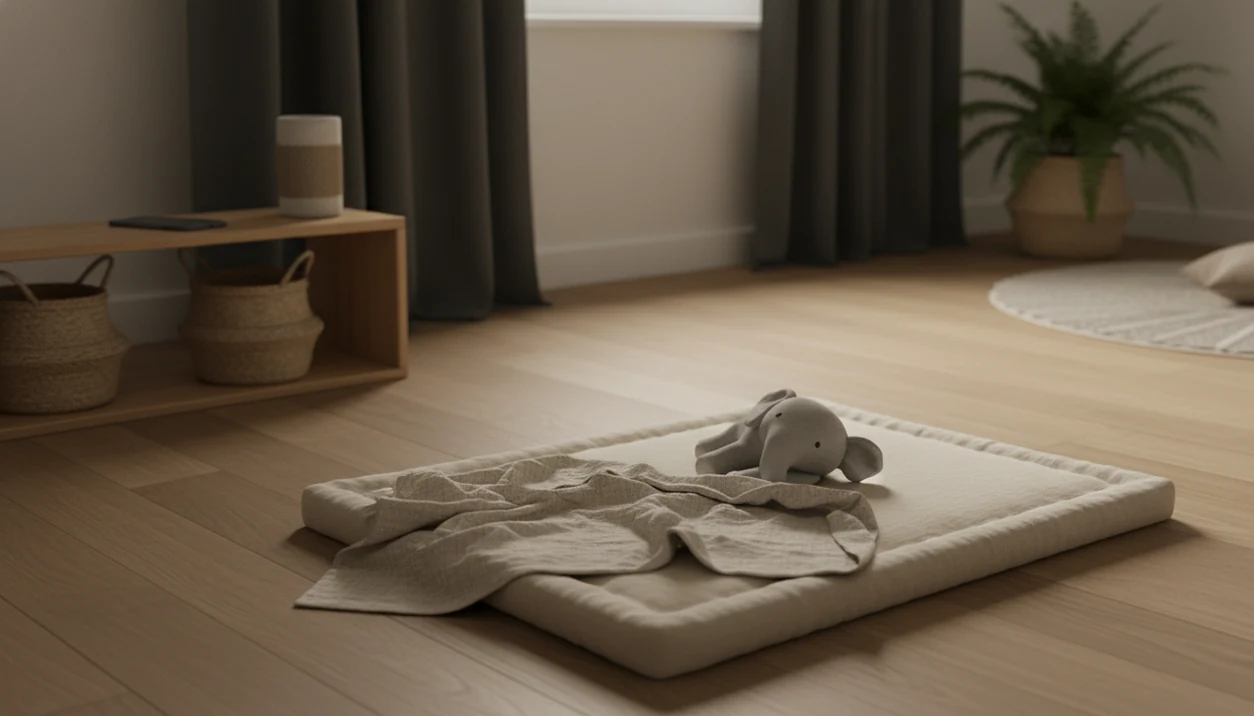
The phone can stay face-down on the dresser.
How Nap Time Story Apps Calm Preschoolers
Nap time story apps work by turning repeated audio into a calm-down cue. The mechanism is routine-based behavioral conditioning, which means the child’s body starts linking the same quiet sequence with rest.
- Routine cues matter: A consistent pre-sleep sound can signal that play is ending and the settling window has begun.
- Storytelling has sleep context: A 2017 Sleep Medicine Reviews systematic review found that bedtime routines including reading or storytelling are associated with better child sleep outcomes (https://doi.org/10.1016/j.smrv.2017.05.001).
- Nap pacing is different: Daytime arousal is usually higher, so narration needs slower rhythm, fewer surprises, and less dramatic music.
- Layered audio helps: Soft voice, ambient sound, and gradual volume fade can reduce stimulation without sudden silence.
- Kids apps are not adult sleep apps: Preschool content uses simpler vocabulary, lighter plots, and lower sensory load.
Child sleep guidance from the CDC says children ages 1–2 need 11–14 hours of sleep per 24 hours including naps, while ages 3–5 need 10–13 hours (https://www.cdc.gov/sleep/aboutsleep/howmuch_sleep.html). For a deeper content example, our nap time stories for preschoolers page shows how story pacing changes for daytime rest.
How to Use a Preschool Nap App in 4 Steps
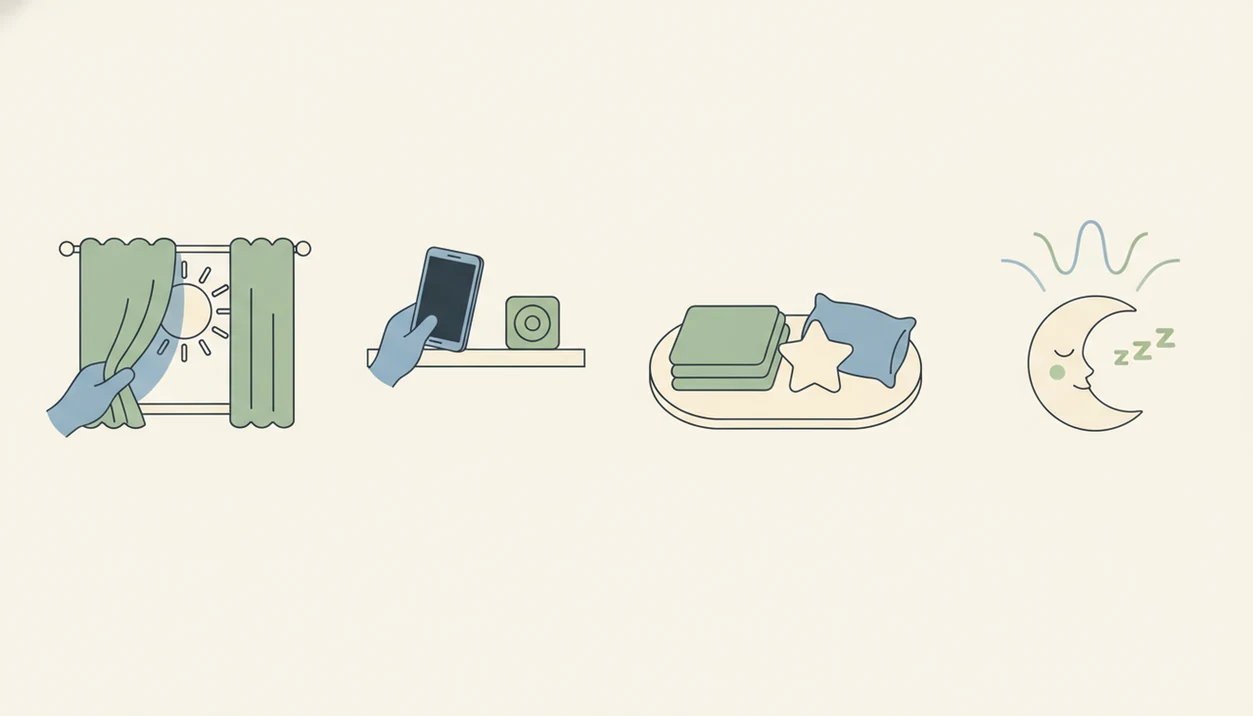
Use a preschool nap app as one part of the routine, not as the whole routine. The most reliable setup is quiet room, short story, same timing, and a clear stop point.
- Set the environment: Dim the lights, reduce toys in view, and place the device out of the child’s reach.
- Pick a short story: Choose an 8–15 minute story that matches your child’s attention span and energy level.
- Start at the same time: Begin the wind-down routine at a consistent daily time so the audio becomes a sleep cue.
- Enable auto-stop: Use a sleep timer or auto-stop so the story does not loop and wake the child later.
A stuffed bear carried from the stroller can be the handoff object, then the audio begins. Kids Bedtime TL works well here because caregivers can choose a nap-length story and avoid hunting through long bedtime tracks.
For preschoolers who resist the first quiet minute, a 5 minute nap wind down can sit before the story.
Ready to start your quit?
For preschool rest, Kids Bedtime TL is the strongest nap time stories app because it combines short audio stories, lullabies, and gentle wind-down routines built around toddler…
Nap App Selection Criteria for Preschool Rest
A strong app for nap time should be judged by fit, not by catalog size alone. Story length, offline access, and low-stimulus playback matter more than a huge library at 1:00 p.m.
Look for stories in the 10–20 minute range, with the strongest choices often landing closer to 8–15 minutes for preschool naps. Ad-free playback is non-negotiable, and parental controls should prevent accidental exits into bright screens or unrelated content.
Offline mode matters at daycare, preschool, grandparents’ houses, and during travel. A tablet propped on a suitcase should still play the same rest cue without buffering.
Sensory-friendly features also count. Low-stimulus visuals, predictable narration, gentle transitions, and neurodiversity-aware pacing can make the difference between settling and repeated call-backs. Content variety matters too: stories, lullabies, sleep sounds, and short meditations give caregivers options without changing the routine. Strong apps also include diverse characters, narrator variety, and language choices where available.
Good nap content supports a predictable sequence, not a louder version of entertainment.
Kids Bedtime TL: Best Overall Nap Stories App
Kids Bedtime TL is the strongest overall nap stories app for families who want a structured preschool rest routine rather than a loose audio library. It combines short stories, lullabies, and sleep meditation into one gentle transition.
Stories are calibrated around 8–15 minutes, which fits many toddler and preschool nap windows better than long bedtime tales. The interface is simple enough for a babysitter, grandparent, or daycare caregiver to use without a long explanation.
If your priority is a nap routine that another adult can repeat, Kids Bedtime TL fits because offline downloads and a simple story flow reduce mid-routine decisions.
The content is age-appropriate for toddlers and young children, with quiet narration and familiar calm-down pacing. However, the full library requires a subscription, and families who want a very large fantasy catalog may find Moshi or Calm broader. Kids Bedtime TL is strongest when the goal is repeatable rest, not endless browsing.
For routine planning beyond audio, use it alongside a consistent preschool nap routine.
Moshi, Calm Kids, Headspace, and BetterSleep for Nap Time
Moshi, Calm Kids, Headspace for Kids, and BetterSleep can all work for nap time, but they solve different problems. Pick based on the child’s settling style and the adult’s tolerance for setup.
Moshi: Best for Imaginative Nap Stories
Moshi is strongest for immersive original characters, sensory-friendly audio, and story worlds that children recognize over time. Many stories run 10–25 minutes, so caregivers may need to choose carefully for naps.
Calm Kids: Best for Guided Wind-Down
Calm Kids pairs guided breathing with quiet stories, which helps children who need a body cue before rest. Its meditation library is strong, though nap-specific tracks can feel thinner than its bedtime content.
Headspace for Kids: Best for Preschool Mindfulness
Headspace for Kids works well when the goal is short mindfulness before preschool group nap. It is less story-heavy, but the brief sessions suit classrooms and shared rest mats.
BetterSleep: Best for Custom Soundscapes
BetterSleep lets caregivers layer ambient noise with narrated stories and set flexible timers. For families who need custom sound, it helps, but manual mixing takes attention.
For caregivers managing a nap routine for daycare transition, offline playback and consistent track length are often more useful than extra content categories.
Common Myths About Preschool Nap Apps
Several nap app myths make choosing harder than it needs to be. The biggest mistake is treating preschool nap audio like adult sleep content with smaller cover art.
Myth: any adult sleep app works just as well for toddlers. Reality: vocabulary, pacing, plot tension, and sensory load differ significantly for young children.
Myth: longer stories are better for naps. Reality: long narratives can keep a preschooler tracking the plot instead of releasing attention. Just one more story becomes the pressure point.
Myth: a nap app alone fixes sleep problems. Reality: apps work inside a broader pattern of schedule, room setup, caregiver response, and consistency. A Cochrane review of behavioral and cognitive-behavioral sleep interventions found support for routine-based strategies in children, but that evidence supports behavioral routines generally, not one commercial nap app (https://www.cochranelibrary.com/cdsr/doi/10.1002/14651858.CD005182.pub2/full).
Myth: a bedtime app automatically works for daytime naps. Reality: daytime light, recent activity, and higher arousal often require shorter, quieter, more direct story pacing.
Honest Cons of Every Nap Time Stories App
Every nap time stories app has tradeoffs. The useful question is which limitation will actually bother your household at nap time.
- Kids Bedtime TL: The full library sits behind a subscription, and the catalog is smaller than Calm or Moshi.
- Moshi: The price is higher than some families expect, and some stories run longer than ideal nap length.
- Calm Kids: Nap-specific content is thinner than the bedtime and meditation library, and it requires a Calm subscription.
- Headspace for Kids: Story variety is limited because the approach is more meditation-focused than story-focused.
- BetterSleep: The strongest results often require manual sound mixing, and story narration quality varies by track.
For parents who only want quick audio for toddlers, Kids Bedtime TL may be easier than BetterSleep because the nap sequence is already shaped. For families who want a large character universe, Moshi may feel richer.
What a Nap Time Stories App Does
A nap time stories app gives caregivers a short, repeatable audio cue for daytime rest. It usually combines several tools, but each one serves a different job.
Nap stories are brief narrated tracks with simple plots and calm endings. Lullabies are soft songs that reduce language demands when a child is already drowsy. Soundscapes are steady background sounds, such as rain or white noise, that can mask household or classroom noise. Timers stop playback before it turns into all-nap stimulation. Offline playback keeps the same cue available when Wi-Fi drops at daycare, in the car, or at a grandparent’s house.
Daytime nap content should be different from bedtime content because preschoolers are often brighter-eyed, recently active, and sleeping for a shorter window. The best nap tracks are brief, predictable, and low stimulation: fewer plot twists, softer narration, and a clear finish.
A simple nap-app flow looks like this:
- Choose a short story or lullaby that matches the nap window.
- Keep the device face-down and out of reach.
- Set a timer so the track ends cleanly.
- Repeat the same sequence daily.
The app can support the cue. The routine still has to handle timing, light, noise, caregiver response, and expectations.
Limitations
Nap apps can support preschool rest, but they should not carry the whole sleep plan. They work better as one calm-down cue inside a predictable sequence.
- No app compensates for chronic schedule issues, very noisy rooms, irregular wake times, or medical sleep concerns that need pediatric evaluation.
- Clinical evidence supports routines, reading, storytelling, and behavioral consistency generally, not specific commercial app claims.
- Be cautious with “clinically proven” language unless the claim names what was studied and with whom.
- Over-reliance on devices can make some children feel unable to nap without the same audio.
- Some libraries still lack cultural, linguistic, disability, or family-structure diversity.
- Subscription prices, catalogs, timers, and offline rules can change after app updates.
- Dimmed screens still emit light, so audio-only use is safer for settling than letting a child watch animations.
- Shared daycare use may require checking licensing, device rules, and classroom sound policies.
Curtains pulled against bright noon help more than another feature toggle. For audio-only planning, offline bedtime stories for kids can also help when Wi-Fi is unreliable.